
SCULPTURES
“In the round.”
A CLOSE UP ON THE art form the show - “hawaiian enough”
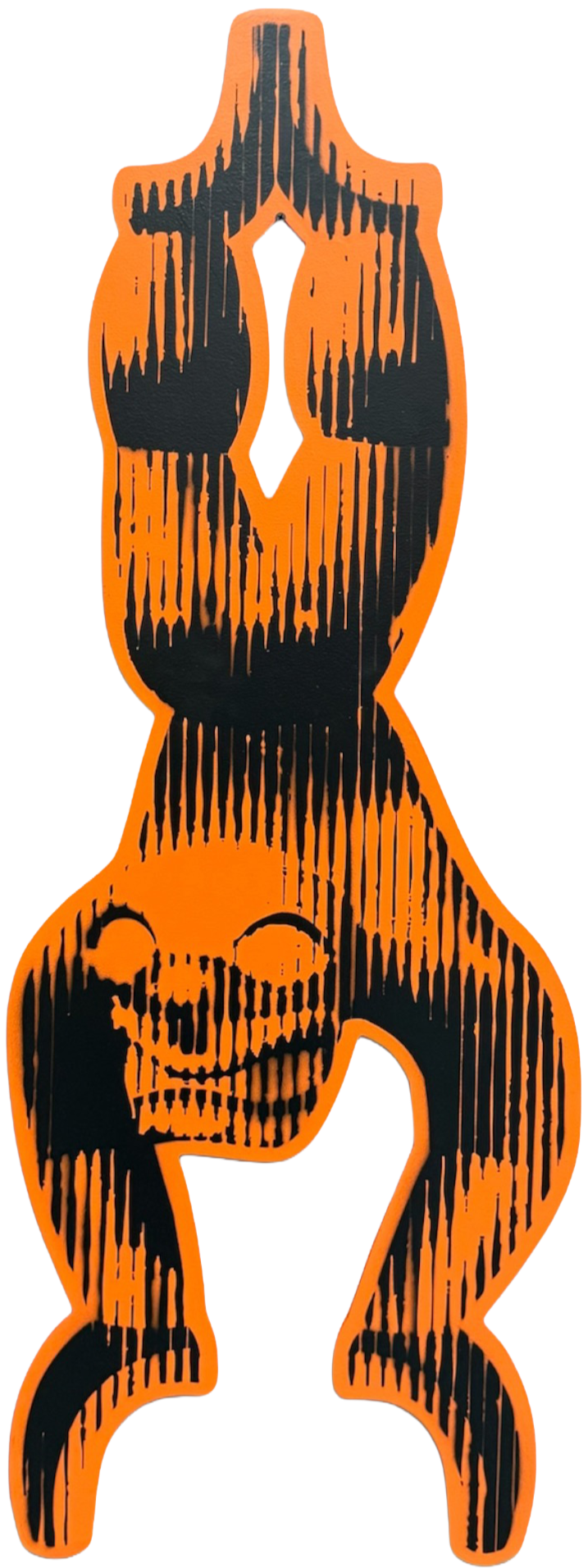
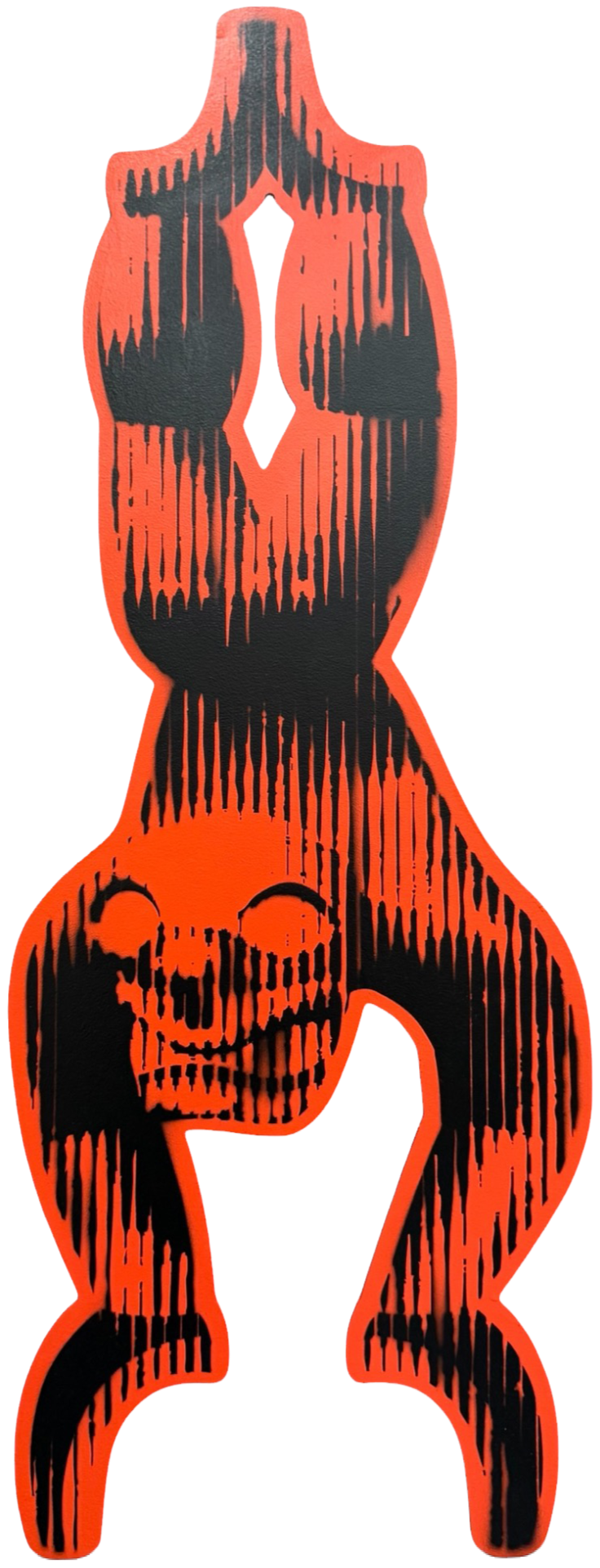
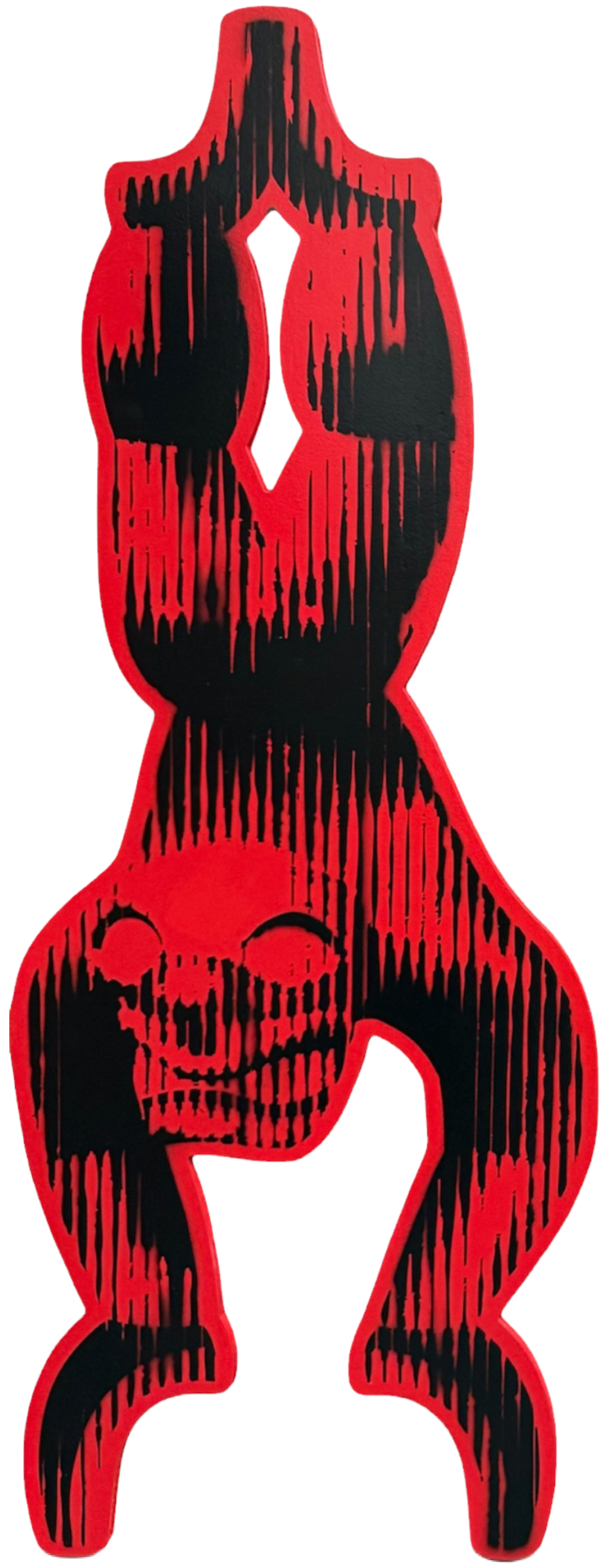
“HALIHALI”
The “Halihali” were created with reclamation in mind. Following a project for the City that involved working with significant imagery of Hawaiian Gods, I found myself reflecting on the weight and responsibility that comes with engaging with historically and culturally important images. While the project was well received and even celebrated by the community, the experience carried its own social and spiritual considerations that extended well beyond the finished work.
It brought a heightened awareness to the ways we interact with, interpret, and represent imagery that holds deep meaning for our people. The “Halihali” became an opportunity to step back and approach my creative practice from a different place. Rather than continuing to draw from those same sources, I wanted to make something that allowed for a sense of reclamation and creative freedom.
For my “Hawaiian Enough” exhibition at Kaiao Space, I created 44 individual, 48-inch-tall die-cut sculptures based on an image of an object I found in the book Hawaiian Sculpture. I had been told the object was a spear holder, but neither the book nor the Bishop Museum could identify its name or place of origin. That uncertainty presented an interesting opportunity: rather than attempting to assign it a history or meaning that I couldn't verify, I saw room to reinterpret the form and make it my own.
I developed a custom halftone treatment for the imagery and made a number of adjustments to the original form, reworking the hands, feet, eyes, mouth, shoulders, arms, and legs. These changes allowed me to move beyond simply reproducing an existing image and create something that felt more personal to my own practice.
I chose the name “Halihali” because I felt it was important to make space for a broader understanding of Hawaiian imagery and visual culture. So often, our conversations about Hawaiian objects and art gravitate toward representations of akua, aliʻi, and other figures of high status. While those histories are important, I wanted to explore the possibility of celebrating objects and forms that exist outside of those established categories. The Halihali became a way to give attention to the everyday, the unfamiliar, and the often-unidentified pieces of our visual history, while creating an opportunity to engage with them through contemporary art and design.
The Makini Buoys were made with nostalgia in mind. I grew up on the east side